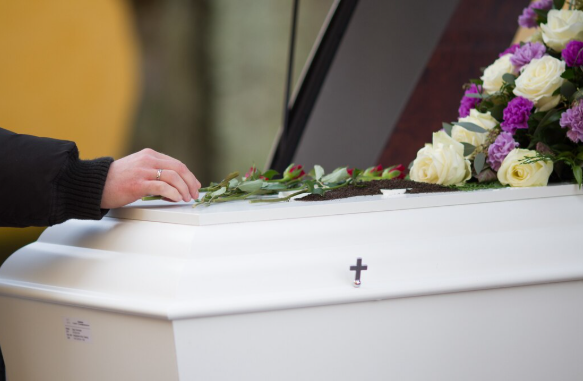

From Ashes to a Lasting Tribute: Choosing the Right Gravestone for Cremation
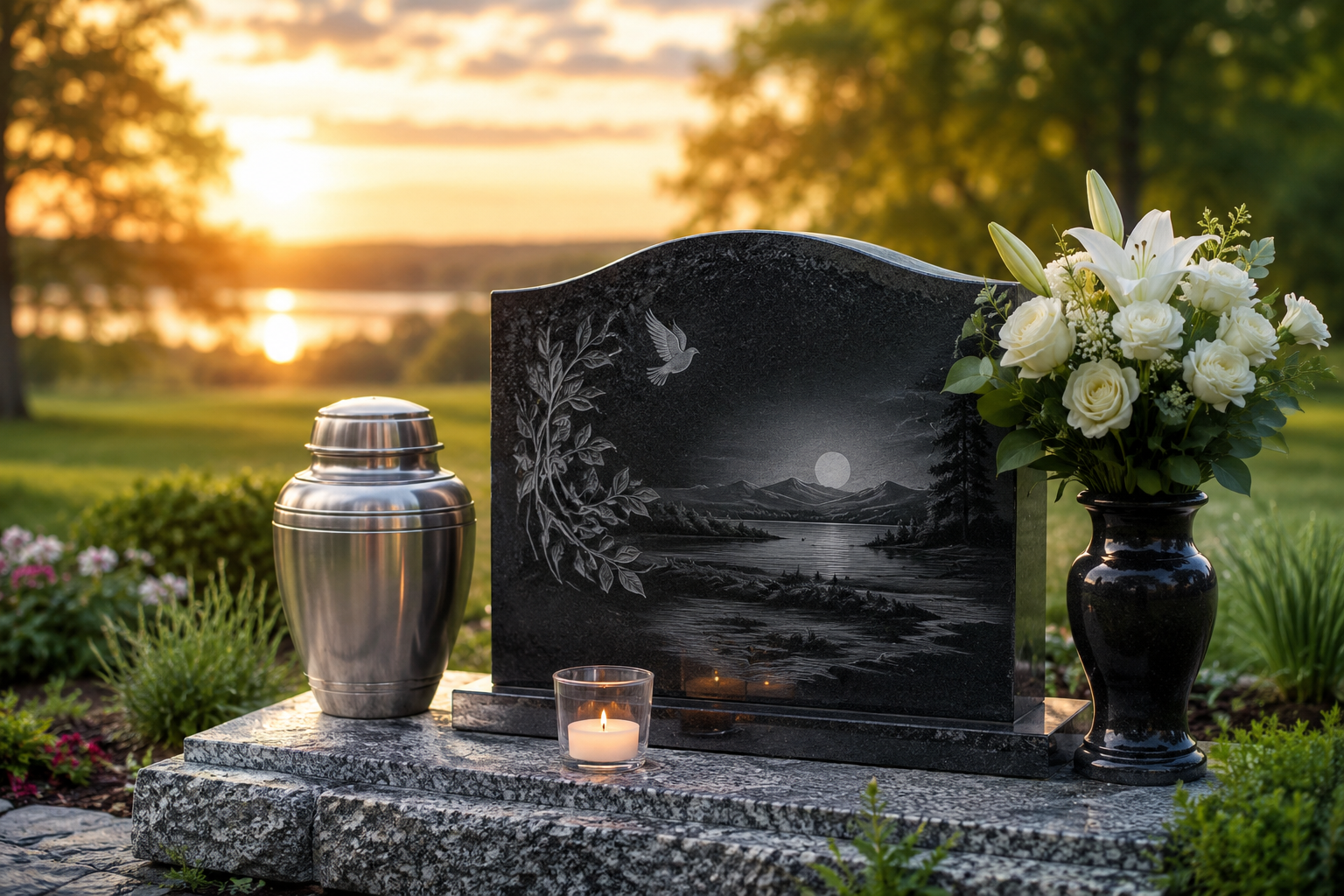
A meaningful memorial can turn memories into something families can visit for years. Choosing a gravestone for cremation gives families a special way to honor someone after cremation, especially when they want a permanent place of remembrance.
Cremation does not mean a family has to give up the comfort of a cemetery memorial. From the material and size to the words and design, the right gravestone can reflect a loved one's life, values, and personality while creating a lasting place for family and friends to remember them.
Can You Have a Gravestone After Cremation?
Yes. Cremation gives families many ways to remember a loved one. Ashes may be kept in an urn, placed in a cemetery, or honored through a memorial. A gravestone can mark a special place of remembrance even when cremation is chosen.
A headstone, also called a gravestone or tombstone, can include a person's name, birth and death dates, a message, or a meaningful design. It can become a simple reminder of the life and memories shared with that person.
Think About Where the Memorial Will Be Placed
The first step is deciding where you want the memorial. Some families choose a cemetery or memorial area where ashes can be placed. If you are planning a gravestone for cremation, the location can affect the type, size, and shape of the memorial you need.
Others may have different plans for the ashes, so it is important to consider your family's wishes and the cemetery's requirements before making a final decision.
Before ordering, ask the cemetery about its rules. Some cemeteries have specific requirements for:
● Headstone size
● Material
● Shape
● Design
● Placement
● Installation
Following these rules can help make the process easier and prevent unwanted changes later.
Choose a Material That Can Last
A gravestone is meant to stand as a lasting tribute. That makes the material an important part of your decision.
Granite
Granite is a popular choice because it is durable and available in many colors. It can also provide a strong surface for names, dates, artwork, and other details.
Bronze
Bronze can give a memorial a classic appearance. It is another option families may consider when choosing a lasting tribute.
Marble
Marble offers a timeless and elegant look. Families may choose it when they want a softer, traditional appearance.
The right material depends on your budget, preferred style, cemetery rules, and the type of tribute you want to create.
Pick a Design That Tells Their Story
A memorial does more than mark a resting place. It can tell a small part of someone's story. Think about what made your loved one special. Was there a hobby, belief, career, or family tradition that meant a lot to them?
You may want to include:
● Their full name
● Birth and death dates
● A short message
● Religious symbols
● Personal artwork
● Meaningful words
Personal details can make a gravestone feel less like a standard marker and more like a tribute made especially for your loved one.
Consider a Flat or Upright Gravestone
There is no single style that works for every family.
- Flat Gravestones
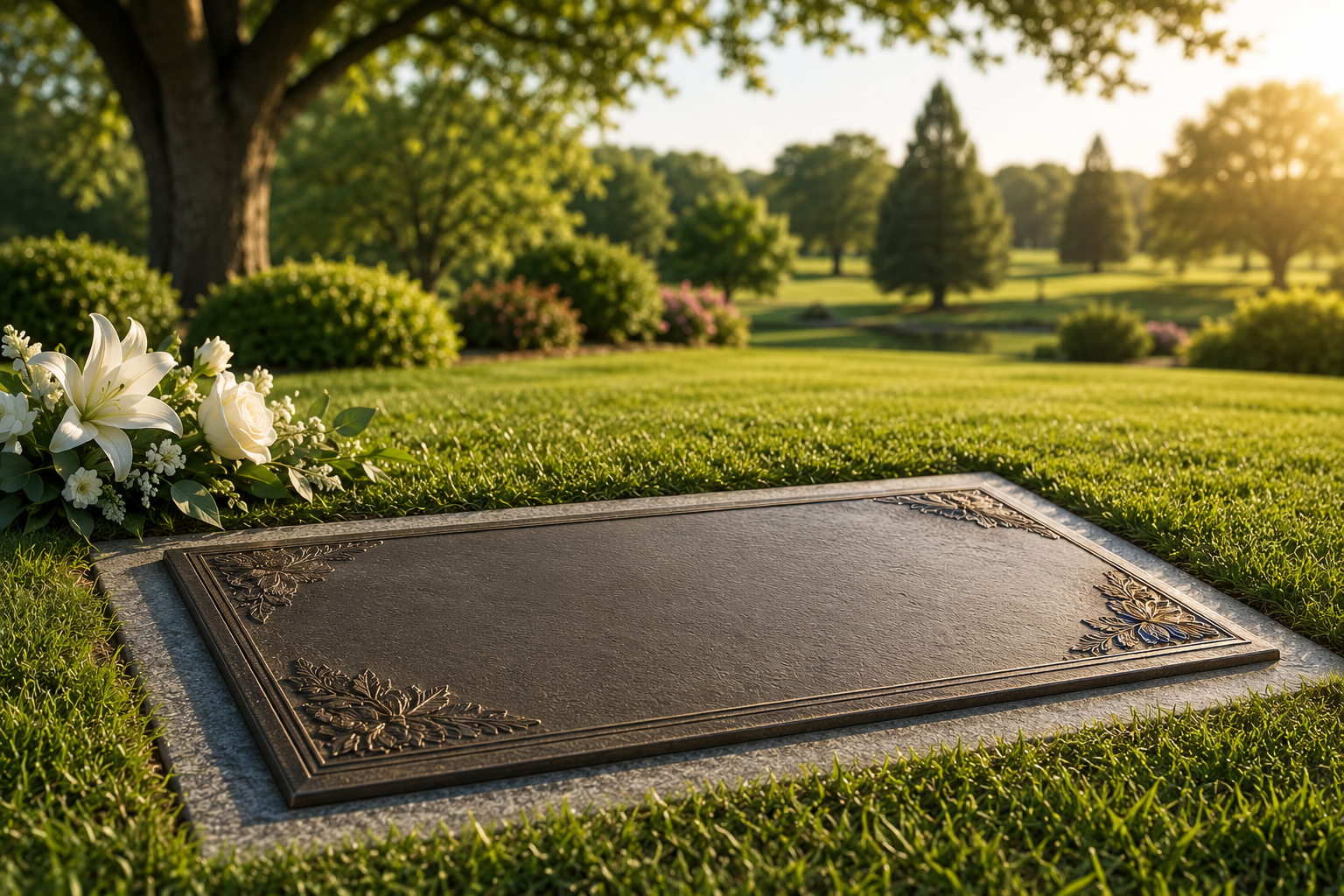
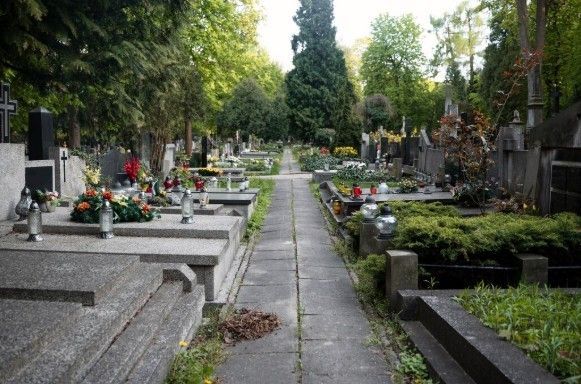
Flat markers, also known as grass markers, sit level with the ground. They have a simple appearance and can be a cost-effective choice. The website notes that these markers are commonly rectangular and polished on top.
- Upright Gravestones
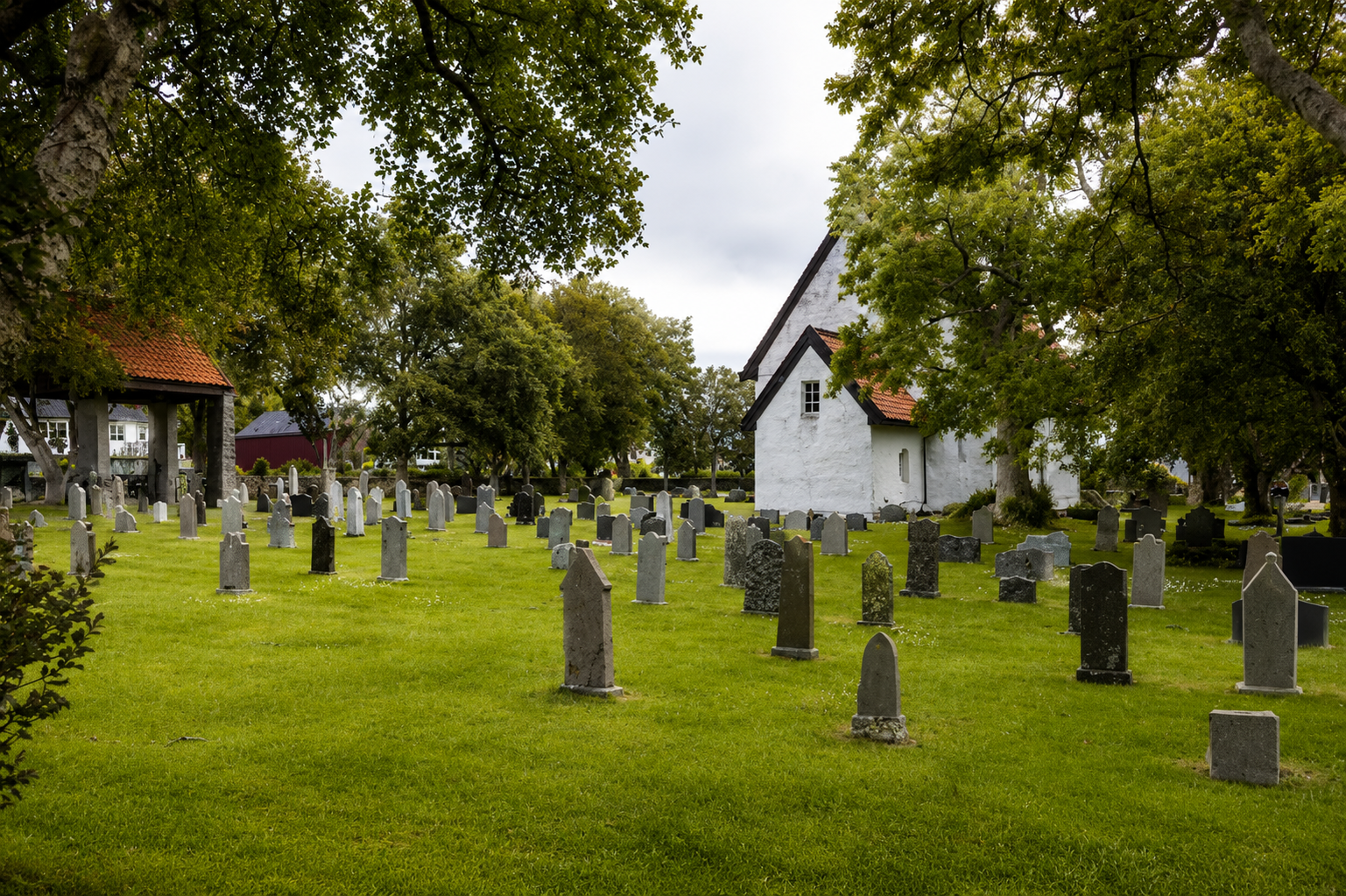
Upright headstones stand above the ground. They offer more room for longer messages, artwork, and other personal details.
Think about the look you prefer, the cemetery's rules, and how much information you want the memorial to display.
Decide What You Want the Gravestone to Say
The words on a memorial can be simple but powerful. A name and dates may be enough. Other families choose a short phrase that captures the person's character or their importance to the family. When choosing the wording, ask yourself:
What do we want people to remember about this person?
A few carefully chosen words can create a meaningful tribute without making the design feel crowded.
Keep Your Budget in Mind
Planning a memorial should also include a clear budget. The cost of a gravestone can depend on its material, size, design, engraving, and installation. A simpler marker may be suitable for families looking for a more affordable option, while larger or highly customized memorials may cost more.
Cremation itself can also provide families with flexibility. Families may choose a simple cremation service and later create a memorial when they feel ready. This can give them more time to think about the type of tribute they want.
Work With Professionals Who Can Guide You
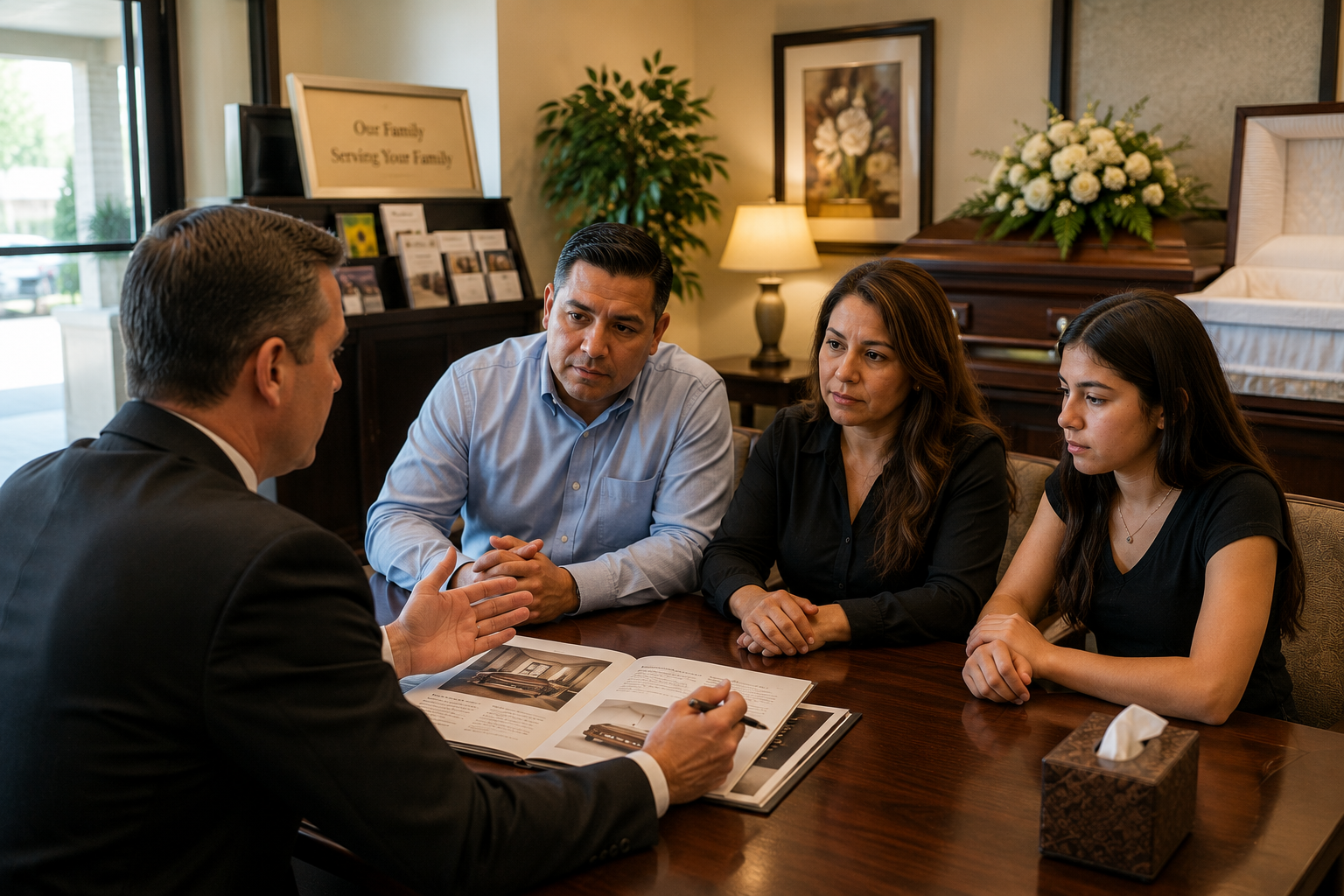
Choosing a memorial while grieving can feel difficult. You may have questions about materials, designs, cemetery rules, or installation. Having someone guide you through the process can make each step easier. Professional support can help you compare choices and make a decision based on your family's needs.
According to its website, Family Burial & Cremation Centers provides personalized guidance, custom engraving, and headstone installation support.
Get in Touch With Us!!
Choosing a gravestone for cremation is about more than selecting stone. It is about creating a place and tribute that helps your family remember a life filled with people, moments, and memories. Take time to consider the location, material, design, wording, cemetery rules, and budget before making your choice.
At Family Burial & Cremation Centers, we understand that every family remembers a loved one in its own way. We are here to help you explore your options, answer your questions, and guide you through headstone selection, personalization, and installation. Our goal is to make the process respectful and easier for you during a difficult time.
Frequently Asked Questions About a Gravestone for Cremation
1. Can I have a gravestone if my loved one was cremated?
Yes. Cremation and memorialization can work together. Families can choose a permanent memorial or cemetery location to honor their loved one.
2. What should be written on a cremation gravestone?
You can include the person's name, birth and death dates, a short message, religious symbols, artwork, or other details that reflect their life.
3. What is the best material for a gravestone?
Granite is a popular choice because it is durable and comes in many colors. Bronze and marble are also options. The best material depends on your preferences, budget, and cemetery requirements.
4. Are flat gravestones suitable for cremation memorials?
They can be. Flat markers offer a simple, low-profile design and may be a good option when allowed by the cemetery. Always check the cemetery's rules before choosing one.
5. Can I choose a gravestone later after cremation?
Yes. Families may take time to decide how they want to remember their loved one. Cremation can allow flexibility in planning a memorial at a later time.